- Get link
- X
- Other Apps
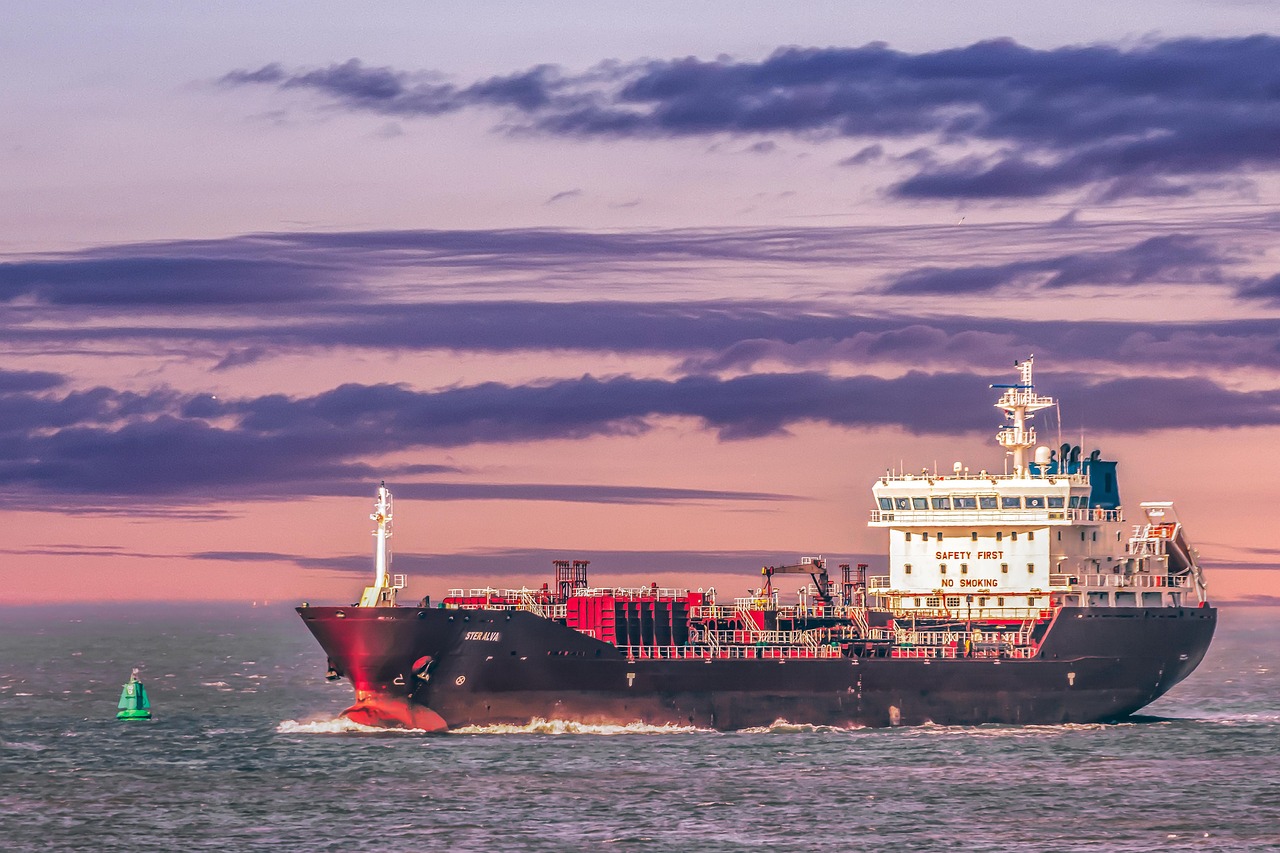
The cargo ship Baychimo floated alone in the icy water of the Arctic Ocean for nearly forty years without a single crew member on board. Ghost ships usually sink fast, but this steel vessel stayed afloat through fierce storms and freezing winds.
People love stories about unexplained mysteries, and the Baychimo is one of the strangest floating ghost stories in history. Abandoned in 1931 near the coast of Alaska, the ship kept drifting through the ice packs for decades while baffling sailors who saw it pass by.
How the Baychimo Got Trapped in the Ice
Hudson's Bay Company owned the 1,322-ton steel steamer named Baychimo. In October 1931, the ship was packed full of fur pelts and ready to complete its final supply run before winter arrived. Captain John Cornwell and his crew did not know that a sudden early freeze was waiting for them.
Heavy pack ice locked the ship in place near the town of Barrow, Alaska. The temperature dropped so fast that the metal hull groaned under the pressure. Captain Cornwell and thirty-two crewmen had to walk across the frozen sea ice to find temporary shelter in a nearby wooden shack.
A fierce blizzard hit the area a few days later and pushed the ice fields miles away. When the storm cleared up, the Baychimo was gone. The men thought the ship had finally sunk beneath the crushing weight of the icebergs, but it was only beginning its long and lonely journey.

Sightings of the Ghost Ship Over Four Decades
Local Inuit hunters were the first ones to spot the empty ship drifting through the freezing fog. They saw the black hull moving slowly with the ocean currents, completely empty and abandoned. It was almost like looking at a ghost.
Over the next forty years, many different people spotted the ship in the Beaufort Sea. One group of travelers even boarded the vessel in 1932 and found the cargo holds still full of valuable animal furs. Bad weather forced them to leave the ship behind before they could tow it to land.
Another captain came across the Baychimo tied to an ice floe in 1962. A rescue ship tried to take it away in 1969, but the floating ice blocks made the job impossible. After that year, the sightings stopped, and the ship likely sank beneath the dark waves.
What Makes This Sea Mystery So Unbelievable
Most abandoned ships fill with water and sink within hours or days. The Baychimo defied every rule of the ocean by staying afloat and upright for almost forty years. This aligns with what we know about survival skills in extreme polar environments, where tough materials and empty cargo spaces can keep a vessel buoyant.
Wooden ships rot away in the cold water, but this steel hull was built to last. The clever design of the ship kept air trapped inside the lower levels. That trapped air acted like a giant invisible life jacket that stopped the ship from going under.
If you want to read about other animals that showed incredible loyalty against the odds, check out The Dog That Waited Ten Years at a Station. Both stories prove that some things just refuse to let go, whether it is a faithful pet or a stubborn steel ship.
Where Is the Baychimo Now
The Alaskan government and marine explorers still look for the lost wreck of the Baychimo today. Sonar scans and underwater robots have searched the sea floor in the areas where it was last seen, but the shifting ice makes the search very hard.
Scientists believe the ship finally broke apart and sank into the deep mud of the Arctic floor during a heavy winter storm in the late nineteen seventies. Saltwater and crushing ice would have rusted the metal away by now, leaving very little behind for anyone to find.
You can learn more about how people pass down these amazing accounts through local talks and books. Tales of the ghost ship keep getting shared because they challenge what we think we know about the ocean.
Think about walking along a lonely beach on a cold night and seeing a huge ship glide past without lights. Would you step out onto the ice to check it out, or let it drift away into the fog?
Clues Left Behind in the Frozen Wilderness
Old diaries and letters from trading posts give us a clear picture of how people reacted to the floating vessel. Workers at remote stations often watched the dark shape drift past their windows. Some of them even kept logbooks noting the exact dates when the ghostly steamer came into view. These yellowed pages help modern historians piece together the strange path the vessel took across the freezing water.
Bush pilots flying over the Arctic in the middle of the twentieth century also reported seeing the ship. From high up in the sky, the lonely hull looked like a tiny toy stuck in a giant white puzzle. Pilots would often circle the area to check if anyone was trapped on board, but the decks were always completely deserted. The pilots radioed their coordinates back to shore, which gave search teams a general idea of where the drifting giant was roaming.
How Marine Experts Study Ice-Bound Wrecks
Studying a ship that disappeared decades ago in the far north requires special tools and plenty of patience. Marine researchers rely on modern technology to uncover secrets hidden beneath the polar ice. Here are some of the main methods scientists use today:
- Side-scan sonar systems sent down from research boats to map the rugged ocean floor
- Autonomous underwater vehicles programmed to glide through deep and freezing trenches
- Satellite images that track the shifting patterns of sea ice during different seasons
- Historical weather records that help reconstruct the wind and current paths of past decades
Every piece of data brings researchers one step closer to understanding the final moments of the steel steamer. Even though the metal has likely rusted away into the silt, the legend of the wandering ghost ship continues to inspire new generations of explorers.
Comments
Post a Comment