- Get link
- X
- Other Apps
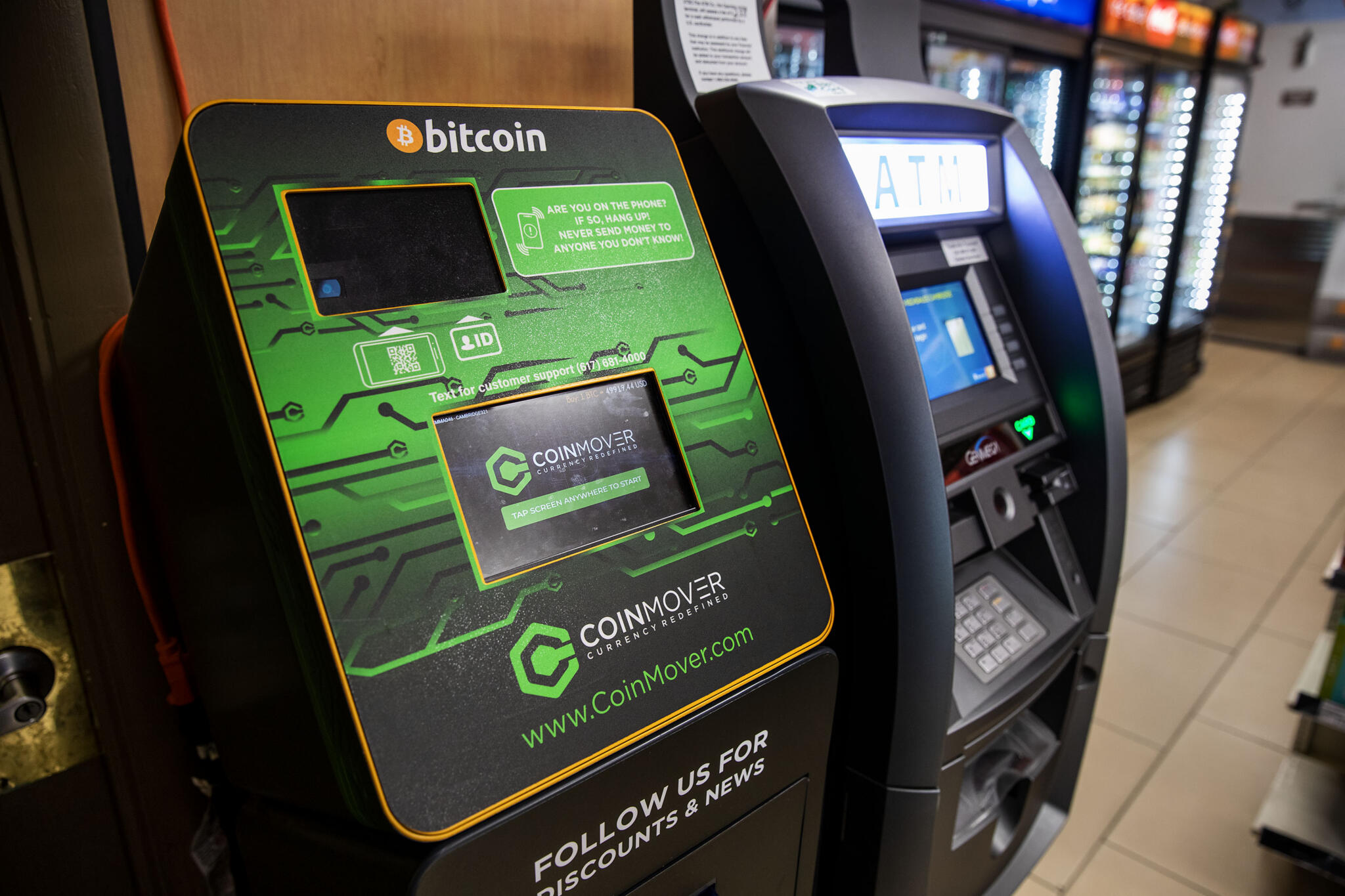
States and cities are moving to ban cryptocurrency kiosks as scams mount across the country. Local officials want to remove these physical machines to protect daily savers from digital fraud. Lawmakers say too many criminal schemes trick everyday people into depositing cash right into unknown wallets.
Why are cities banning crypto ATMs?
Many local leaders worry that public machines make theft easy for dishonest operators. Con artists often call victims on the phone, pretend to represent official agencies, and demand quick payments. These bad actors tell scared citizens to run to the nearest kiosk to send paper money through a cryptocurrency network where funds vanish fast.
Police officers and city leaders notice that vulnerable neighbors lose their entire life savings through these street boxes. Because blockchain transactions are hard to reverse, victims cannot call a bank to get their money back once the deposit goes through. Local governments want to step in and cut off access to these kiosks before more families get hurt.
How scammers use cryptocurrency kiosks
Scammers use kiosks because they turn physical dollar bills into digital tokens in seconds. The machines sit in gas stations, convenience stores, and corner groceries where anyone can walk up with cash. The connection between physical machines and illegal schemes has grown into a major issue tied to cryptocurrency and crime today.
Most scams follow a simple path that pushes victims toward local hardware:
- Callers create fake emergencies and pretend to be government workers or police.
- Victims get directions to withdraw real paper cash from their regular bank accounts.
- Scammers provide a quick code that directs the kiosk to send coins straight to an offshore wallet.
- The victim sends the cash into the machine, and the funds disappear right away.
What these new kiosk bans mean for you
If your city approves a ban, you will no longer see these digital teller units at the local gas station. People who want to buy digital assets will need to use registered web platforms from their phones or computers instead. This change slows down rush payments, which gives potential scam victims a chance to pause and spot a trick.
Banning kiosks also sends a warning sign to other store owners who host these units for extra rent. Business owners may soon face fines or rules that force them to unplug machines that fail to protect customers. Taking away physical deposit boxes removes an easy exit route that criminals rely on to collect cash from nervous residents.
What to watch next for local crypto laws
More towns and states are likely to look at kiosk bans in their upcoming council meetings. Lawmakers will track whether closing these machines actually brings down fraud numbers in areas where bans start. Some kiosk operators might fight back in court, claiming their machines simply give regular people a quick way to trade coins.
Shoppers should stay alert whenever any stranger asks for payment through an outdoor machine. Real government offices, utility providers, and legal workers never ask citizens to settle bills with digital tokens at a grocery store terminal. As city halls move forward with new bans, protecting personal funds remains a top job for every household.
Comments
Post a Comment